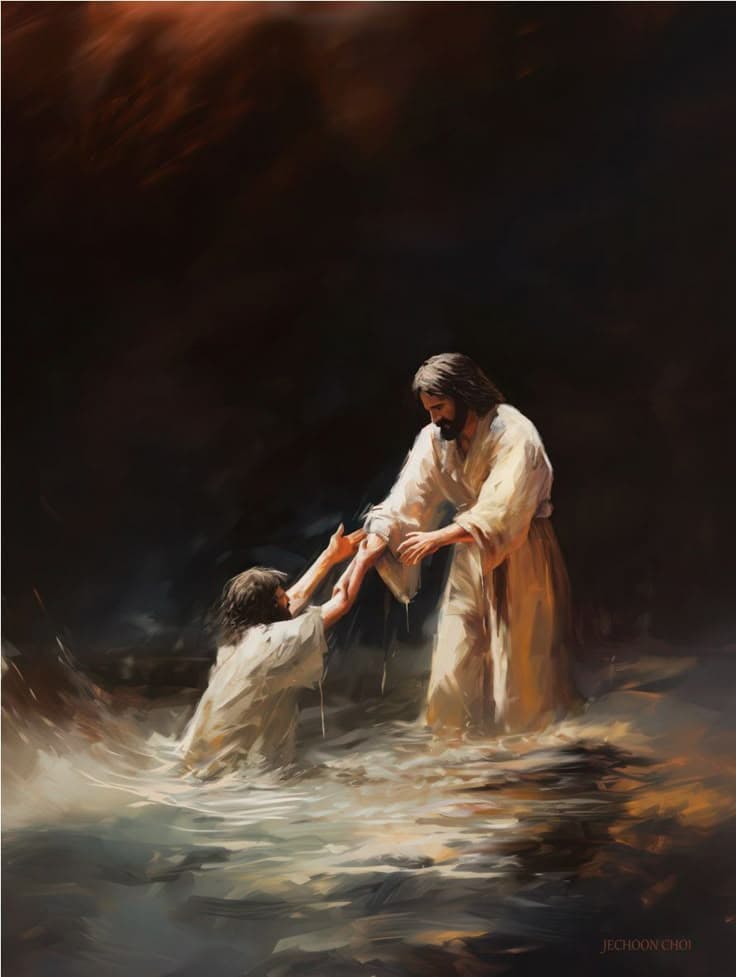
Repentance Is a Radical Transformation of Heart and Mind
Biblical repentance is not just confessing mistakes — it is a radical transformation worked by God's grace, leading us to abandon sin, trust in Christ's mercy and begin a new life.

Repentance: Much More Than Confessing Mistakes
Repentance is one of the central pillars of the Christian faith and must be understood not merely as an act of confessing sins, but as a radical transformation of heart and mind. John the Baptist, preaching in the wilderness, cried out: "Repent, for the kingdom of heaven has come near" (Matthew 3:2).
Repentance is therefore a response to the arrival of God's Kingdom — a call to the inner change that prepares us for the coming of the Messiah.
💡 Reflection: True repentance is not just feeling bad about what you did
— it is deciding not to go back to who you were. It is a new beginning, not a
punishment.
An Act of God's Grace
Biblical repentance is an act of God's grace in the human heart, revealing the true condition of sin. The apostle Paul, in 2 Corinthians 7:10, distinguishes true repentance from superficial remorse: "Godly sorrow brings repentance that leads to salvation and leaves no regret, but worldly sorrow brings death."
Genuine repentance is not lamenting mistakes, but a deep desire for change and reconciliation with God — the fruit of the Holy Spirit's conviction.
A Movement of Return to God
When we repent, we confess our sins and also turn away from them, making the decision to abandon the practices that distance us from God's love. Repentance is a process of purification — a cleansing of the spiritual impurities that afflict us.
This repentance is not an isolated event but must become a way of life, for we remain subject to sin. Continuous repentance is the mark of a heart that remains sensitive to the Holy Spirit's work.
💡 Reflection: It is not weakness to repent every time we fail — it is a
sign that the heart still beats for God. Pride is the only sin that refuses to
repent.
Repentance and Faith: An Inseparable Union
Repentance is also intimately linked to faith. It is not enough to feel remorse — we must trust in God's mercy and believe that He, in His grace, forgives sins and restores our fellowship with Him.
When we repent, we find forgiveness and reconciliation through Jesus' sacrifice, which paid the price for our sin. Repentance, therefore, is not a burden, but a path of liberation — the beginning of a new life, guided by God's transforming work.
Artigos Relacionados